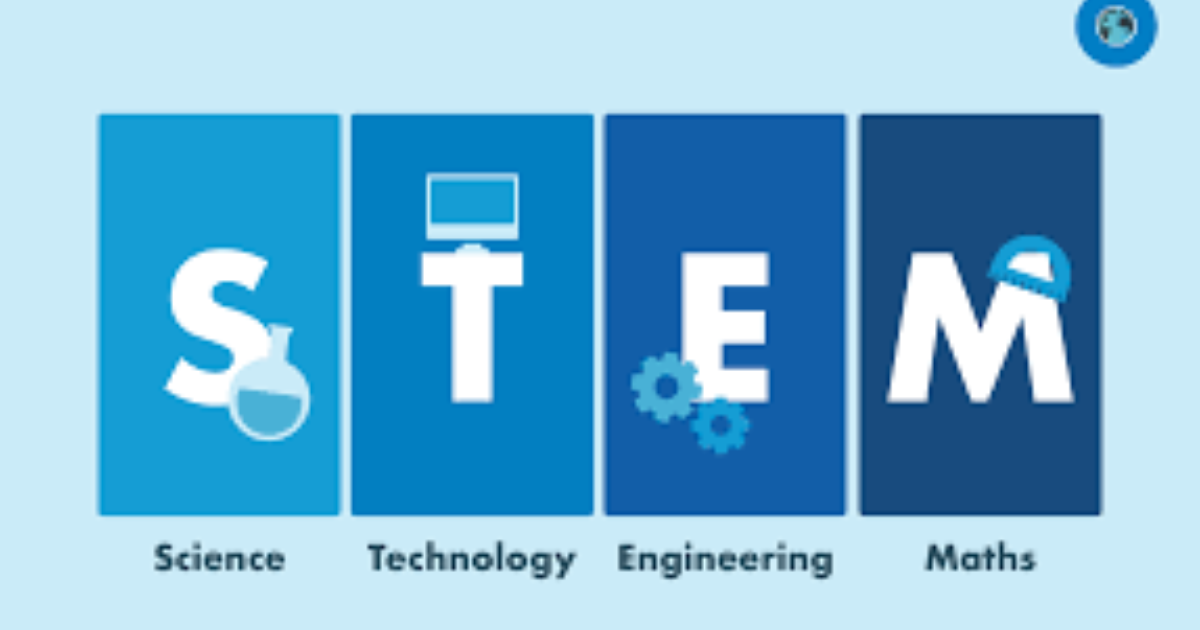
In today’s rapidly evolving world, education must prepare students for a future defined by technology, innovation, and problem-solving. This is where STEM education—which focuses on Science, Technology, Engineering, and Mathematics—plays a vital role. In UK schools, the importance of STEM has grown significantly over the past decade, with increasing recognition that these subjects are not only essential for academic growth but also for equipping young people with skills required in the modern workforce.
Why STEM Education Matters
1. Meeting Future Job Demands
The UK economy is becoming increasingly reliant on industries such as information technology, renewable energy, biotechnology, and engineering. Research suggests that STEM-related careers will continue to be among the fastest growing sectors in the coming years. By encouraging STEM education in schools, the UK ensures that students are prepared to fill these high-demand roles, reducing skills shortages and supporting economic growth.
2. Encouraging Critical Thinking and Problem-Solving
STEM subjects encourage students to think analytically and creatively. Whether it’s solving a complex maths problem, designing a science experiment, or coding a simple program, these activities train students to evaluate problems, explore solutions, and make informed decisions—skills that are valuable beyond the classroom.
3. Driving Innovation and Global Competitiveness
The UK is home to world-leading universities, research institutions, and technology companies. To maintain this competitive edge, schools must cultivate future scientists, engineers, and innovators. STEM education helps develop the innovators of tomorrow who will tackle challenges such as climate change, healthcare advancements, and space exploration.
STEM in the UK School Curriculum
STEM is already embedded in the National Curriculum, with science and mathematics as compulsory subjects until the age of 16. Additionally, schools are placing more emphasis on computer science and technology-based learning. Many institutions are also adopting interdisciplinary approaches, where projects combine elements of science, engineering, and maths to mirror real-world problem-solving.
Beyond traditional lessons, schools are expanding opportunities through:
- STEM clubs and competitions, such as robotics or coding challenges.
- Partnerships with universities and industries, giving students exposure to real-world STEM careers.
- Hands-on experiments and projects, making learning interactive and practical.
Encouraging Diversity in STEM
One of the major challenges in STEM education is ensuring diversity. Women and underrepresented groups have historically been less involved in STEM careers. UK schools are actively working to close this gap by:
- Promoting female role models in science and engineering.
- Running outreach programmes to inspire disadvantaged students.
- Providing inclusive opportunities to engage all learners in STEM activities.
Encouraging diversity not only benefits individuals but also strengthens the entire STEM field by bringing in fresh perspectives and ideas.
The Role of Teachers and Parents
Teachers play a crucial role in making STEM subjects engaging and accessible. With government initiatives offering professional development and resources, educators are better equipped to deliver exciting lessons that capture student interest. Parents, too, can support by encouraging curiosity, providing access to STEM-related activities, and breaking stereotypes about who can succeed in these fields.
The Future of STEM in the UK
The UK government has emphasized STEM education as a national priority. Investments in digital skills training, apprenticeships, and STEM-related university funding show a clear commitment to strengthening these fields. As technology continues to transform society, the role of STEM education will only grow, shaping a generation of learners who are innovative, adaptable, and prepared for the future.
Final Thoughts
STEM education is far more than a set of school subjects—it is the foundation for the UK’s future workforce, economy, and innovation. By equipping students with problem-solving skills, technological literacy, and scientific curiosity, schools are not only preparing them for successful careers but also enabling them to address global challenges. For the UK, strengthening STEM education is an investment in a brighter, more competitive, and more inclusive future.