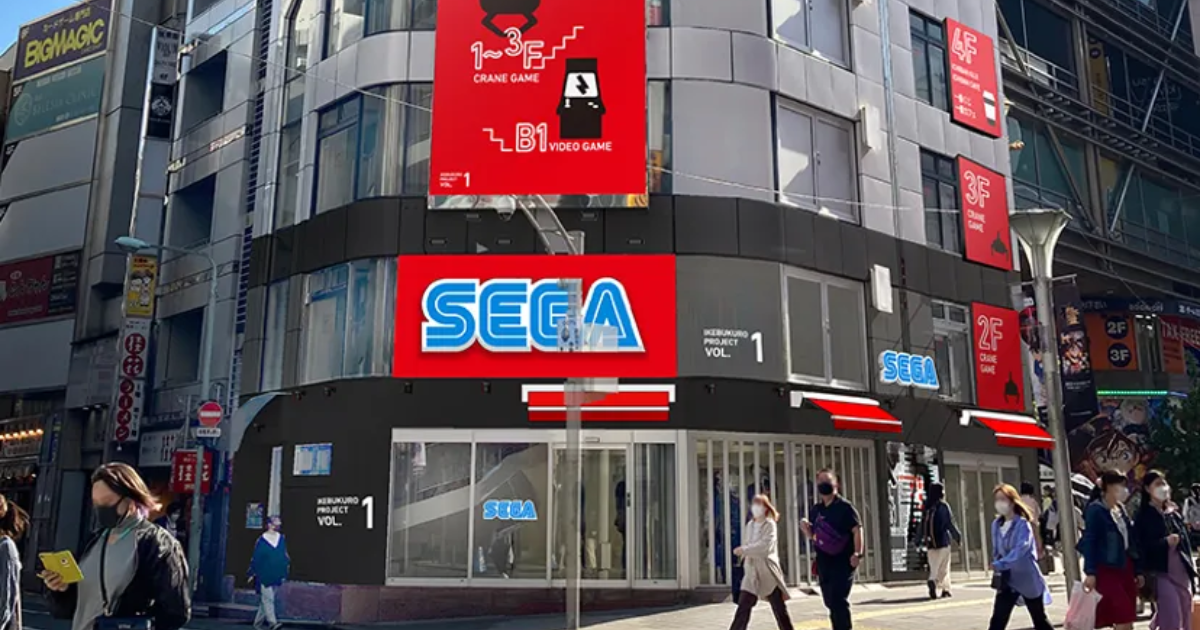
Sega Arcades: A Legacy That Shaped Gaming Culture
For decades, Sega arcades stood as temples of innovation, competition, and pure entertainment. Long before online multiplayer and home consoles dominated gaming, Sega’s arcade machines defined what it meant to play video games at their peak. From bustling city centers in Japan to dimly lit arcades around the world, Sega built a legacy that continues to influence gaming culture today.
The Rise of Sega in Arcades
Sega’s arcade journey began in the 1960s, but it was during the late 1970s and 1980s that the company truly found its identity. While many companies experimented with arcade cabinets, Sega focused on delivering experiences that were visually striking, mechanically innovative, and instantly engaging. Titles like Periscope and Hang-On showcased Sega’s early interest in immersive gameplay, often using motion-based cabinets that physically moved the player.
This commitment to immersion became a Sega hallmark. Their arcade machines were not just screens and joysticks—they were experiences. Whether it was sitting on a motorcycle, gripping a steering wheel, or wielding a light gun, Sega arcades blurred the line between player and game.
Defining Genres and Gameplay
Sega arcades played a major role in shaping entire genres. Fighting games like Virtua Fighter revolutionized 3D combat with realistic movement and physics, influencing countless titles that followed. Racing games such as Daytona USA and OutRun set standards for speed, music, and multiplayer competition, turning arcades into social battlegrounds.
Sega also mastered the art of accessibility. Their games were easy to pick up but difficult to master, drawing in casual players while rewarding dedicated ones. This balance kept players coming back, coin after coin, high score after high score.
The Golden Age Atmosphere
Walking into a Sega arcade during its golden age was an unforgettable sensory experience. Bright cabinets, booming soundtracks, flashing lights, and crowds cheering during intense matches created an energy that home gaming simply couldn’t replicate. Sega’s distinctive sound design and music—often upbeat, bold, and unforgettable—became inseparable from the arcade atmosphere.
Arcades were also social spaces. Friends gathered after school, rivals faced off in fighting games, and strangers bonded over shared excitement. Sega understood this communal aspect and designed games that encouraged head-to-head competition and cooperative play.
Decline and Transformation
As home consoles grew more powerful in the late 1990s and 2000s, arcades around the world began to decline. Sega, like many arcade giants, faced significant challenges. While the company eventually exited the hardware console market, its arcade influence never truly disappeared.
In Japan, Sega arcades remained cultural landmarks for years, evolving to include rhythm games, prize machines, and experimental experiences. Even as many locations closed or rebranded, the spirit of Sega’s arcade philosophy—innovation, immersion, and fun—continued to live on.
A Legacy That Endures
Today, Sega’s arcade legacy survives through modern games, retro revivals, and passionate fan communities. Titles originally born in arcades have been preserved through console ports, collections, and emulation, allowing new generations to experience them. More importantly, Sega’s design principles still influence how games are made: focus on player excitement, strong audiovisual identity, and gameplay that feels alive.
Sega arcades were more than just places to play games—they were cultural hubs that defined an era. Their impact can still be felt every time a game prioritizes fun, spectacle, and community. In the history of gaming, Sega’s arcade legacy stands not just as nostalgia, but as a foundation upon which modern gaming was built.