Future Classroom Designs: Shaping the Next Generation of Learning
The classroom is evolving beyond four walls, rows of desks, and a single chalkboard. As education adapts to rapid technological advancements and changing student needs, future classroom designs are being reimagined to foster creativity, collaboration, and personalized learning. These innovative learning environments aim to prepare students not just for exams, but for a dynamic and interconnected world.
The Shift from Traditional to Flexible Learning Spaces
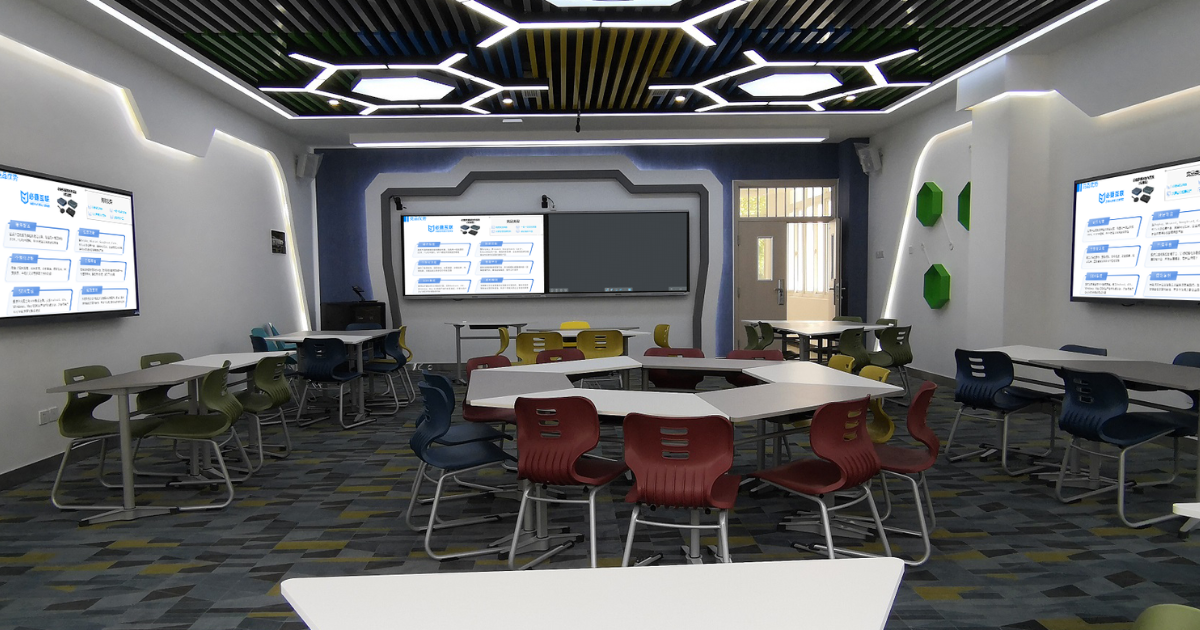
Traditional classrooms were designed for teacher-centered instruction, where students sat in fixed rows and absorbed information passively. In contrast, future classroom designs emphasize flexibility and student engagement. Movable furniture, modular layouts, and multipurpose spaces allow educators to easily transition between lectures, group discussions, hands-on activities, and independent study.
This flexibility supports different learning styles and teaching methods. Students can collaborate in small groups, participate in project-based learning, or work individually, all within the same classroom environment. The goal is to create spaces that adapt to learning, rather than forcing learning to adapt to the space.
Technology-Integrated Learning Environments
Technology plays a central role in future classroom design. Interactive displays, smart boards, and wireless connectivity replace traditional chalkboards and projectors. Students use tablets, laptops, and other digital devices to access resources, collaborate online, and engage with interactive content.
Emerging technologies such as artificial intelligence, augmented reality (AR), and virtual reality (VR) are also shaping classroom experiences. These tools allow students to explore virtual laboratories, historical sites, or complex scientific concepts in immersive ways. Technology integration is not about replacing teachers, but about enhancing instruction and expanding learning possibilities.
Student-Centered and Personalized Design
Future classrooms are increasingly designed with a student-centered approach. Personalized learning zones, quiet corners, and collaborative hubs cater to individual preferences and needs. Adjustable lighting, ergonomic furniture, and acoustically optimized spaces contribute to student comfort and focus.
Personalization also extends to digital learning environments. Smart classroom systems can track learning progress and adapt content to individual skill levels, helping educators provide targeted support. These designs recognize that students learn at different paces and in different ways.
Sustainability and Well-Being
Sustainability is a key consideration in future classroom designs. Eco-friendly materials, energy-efficient lighting, natural ventilation, and green spaces are incorporated to reduce environmental impact. Large windows and access to natural light improve mood, concentration, and overall well-being.
Health and wellness are also prioritized. Improved air quality, noise reduction, and flexible seating promote physical comfort and mental focus. Some classrooms even include wellness areas for mindfulness or relaxation, supporting students’ emotional development alongside academic growth.
Collaboration and Community Connection
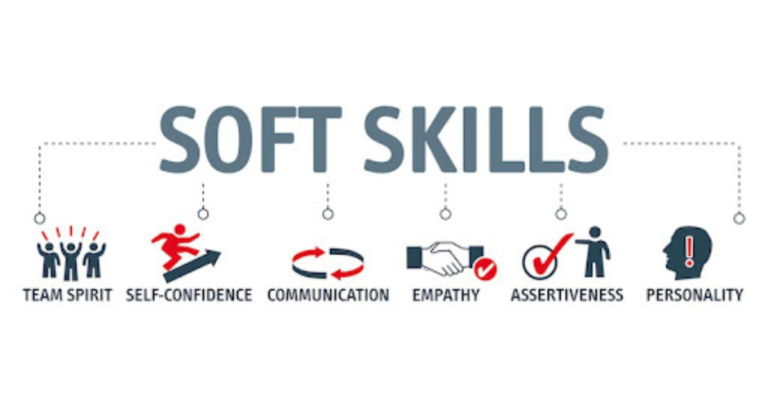
Modern learning emphasizes collaboration, communication, and real-world problem-solving. Future classrooms are designed to encourage teamwork through shared workspaces, writable walls, and interactive collaboration tools. These features help students develop critical skills such as communication, creativity, and leadership.
In many cases, classrooms extend beyond the school building. Outdoor learning areas, community spaces, and hybrid physical-digital environments connect students with the world around them. This approach prepares learners for lifelong learning in diverse settings.
The Future of Learning Spaces
As education continues to evolve, classroom design will play a vital role in shaping learning outcomes. Future classrooms are not just places to sit and listen; they are dynamic ecosystems that support innovation, inclusivity, and engagement.
By combining flexibility, technology, sustainability, and student-centered design, future classrooms create environments where learners can thrive. These spaces reflect a forward-looking vision of education—one that empowers students to explore, collaborate, and succeed in an ever-changing world.