Professional Development Courses: Building Skills for Career Growth
In today’s rapidly changing job market, continuous learning is no longer optional—it is essential. Professional development courses help individuals upgrade their skills, stay relevant in their industries, and advance their careers. Whether you are a student, a working professional, or a business leader, investing in professional development can open doors to new opportunities and long-term success.
What Are Professional Development Courses?
Professional development courses are structured learning programs designed to enhance job-related skills, knowledge, and competencies. Unlike traditional degree programs, these courses are usually shorter, more flexible, and focused on practical application. They can be delivered through workshops, online platforms, seminars, certifications, or employer-sponsored training programs.
These courses are designed to meet the evolving needs of industries and help professionals adapt to technological advancements, regulatory changes, and shifting workplace expectations.
Types of Professional Development Courses
1. Technical and Digital Skills
With digital transformation reshaping nearly every industry, technical skills are in high demand. Courses in data analysis, coding, cybersecurity, cloud computing, digital marketing, and artificial intelligence help professionals remain competitive. These skills are particularly valuable in technology-driven roles and industries undergoing automation.
2. Leadership and Management Training
Leadership courses focus on developing skills such as decision-making, strategic thinking, conflict resolution, and team management. These programs are ideal for professionals aspiring to managerial roles or those looking to improve their effectiveness as leaders. Strong leadership skills contribute to better workplace performance and organizational growth.
3. Communication and Soft Skills
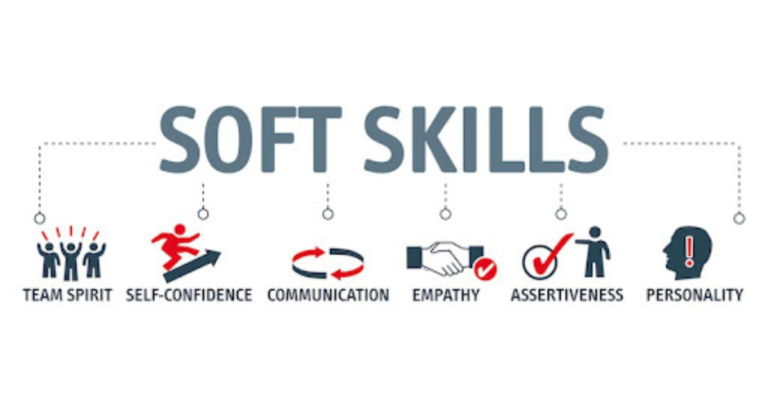
Soft skills are increasingly valued by employers because they improve collaboration and productivity. Courses in communication, public speaking, emotional intelligence, time management, and problem-solving help professionals build stronger relationships and navigate workplace challenges more effectively.
4. Industry-Specific Certifications
Many professions require specialized knowledge or credentials. Certifications in project management, finance, healthcare, education, and compliance help professionals demonstrate expertise and meet industry standards. These courses often enhance credibility and improve career mobility.
5. Career Development and Personal Growth
Some professional development courses focus on career planning, resume writing, interview skills, and personal branding. These programs help individuals clarify career goals, identify strengths, and position themselves effectively in the job market.
Benefits of Professional Development Courses
One of the primary benefits of professional development courses is improved employability. Acquiring new skills increases job performance and makes individuals more attractive to employers. Continuous learning also boosts confidence, as professionals feel better equipped to handle new responsibilities and challenges.
For organizations, investing in employee development leads to higher productivity, better retention, and stronger workplace culture. Employees who receive training are more engaged and motivated, reducing turnover and recruitment costs.
Professional development also encourages adaptability. As industries evolve, professionals who continuously update their skills can transition into new roles more easily and remain resilient during economic changes.
Choosing the Right Course
Selecting the right professional development course requires careful consideration. Individuals should identify their career goals, skill gaps, and industry trends before enrolling. It is also important to evaluate the credibility of the course provider, the relevance of the curriculum, and the flexibility of the learning format.
Online learning platforms have made professional development more accessible than ever, allowing learners to study at their own pace while balancing work and personal commitments.
Conclusion
Professional development courses play a crucial role in career advancement and lifelong learning. By building relevant skills and knowledge, individuals can enhance their professional value and adapt to an ever-changing job market. For bloggers, highlighting the importance of professional development helps readers understand that career growth is not a one-time achievement, but an ongoing journey of learning and improvement.