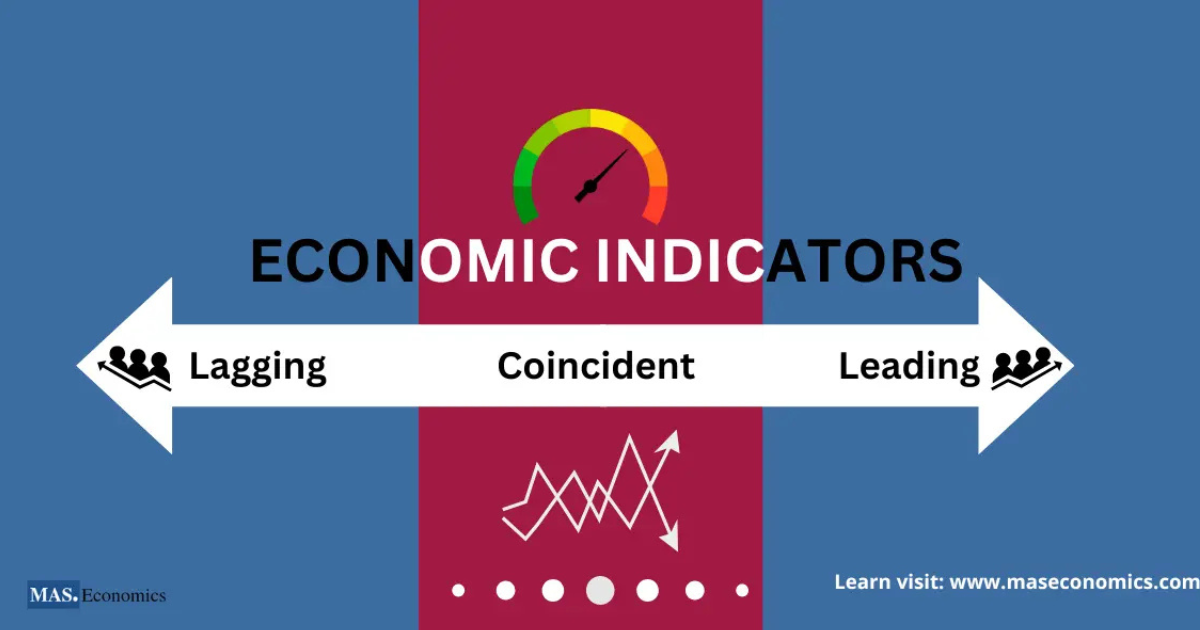
Economic Indicators Everyone Should Know
Economic indicators are statistics that reveal the health and direction of an economy. Governments, investors, businesses, and everyday readers rely on them to understand whether an economy is growing, slowing, or heading toward a crisis. If you write blogs about finance, business, or current affairs, understanding these indicators will help you explain complex economic trends in a simple and credible way. Below are the most important economic indicators everyone should know.
1. Gross Domestic Product (GDP)
GDP is the total value of all goods and services produced within a country over a specific period, usually quarterly or annually. It is the most widely used measure of economic growth. When GDP is rising, the economy is expanding; when it shrinks for two consecutive quarters, it is often considered a recession. Bloggers often use GDP to compare the economic performance of different countries or track long-term growth trends.
2. Inflation Rate
Inflation measures how quickly prices of goods and services increase over time. It directly affects purchasing power—when inflation rises, money buys less. Central banks closely monitor inflation to decide interest rates. Moderate inflation is normal in a growing economy, but high inflation can erode savings and wages, while very low inflation or deflation can signal weak demand. For blogs, inflation is especially relevant when discussing cost of living, fuel prices, or food expenses.
3. Unemployment Rate
The unemployment rate shows the percentage of people in the labor force who are actively looking for work but cannot find a job. It is a key indicator of economic health and social stability. Low unemployment usually means businesses are growing and hiring, while high unemployment may signal economic slowdown. Bloggers often connect unemployment data to income levels, consumer spending, and political debates.
4. Interest Rates
Interest rates are set by central banks and influence borrowing and spending across the economy. Lower interest rates encourage people and businesses to borrow, invest, and spend, while higher rates aim to reduce inflation by slowing economic activity. Interest rates affect loans, mortgages, credit cards, and savings accounts, making them highly relevant to personal finance and business blogs.
5. Consumer Price Index (CPI)
The Consumer Price Index tracks changes in the prices of a basket of commonly used goods and services, such as food, housing, transportation, and healthcare. CPI is one of the most common ways to measure inflation. Bloggers use CPI data to explain why everyday expenses are rising or falling and how inflation impacts households.
6. Consumer Confidence Index (CCI)
Consumer confidence measures how optimistic or pessimistic people feel about the economy and their financial situation. When confidence is high, people are more likely to spend money, boosting economic growth. When confidence falls, consumers tend to save more and spend less. This indicator is useful in blogs discussing retail trends, market behavior, or economic sentiment.
7. Balance of Trade
The balance of trade compares a country’s exports and imports. If exports exceed imports, the country has a trade surplus; if imports are higher, it has a trade deficit. This indicator helps bloggers analyze global trade, currency strength, and economic competitiveness between nations.
8. Stock Market Indexes
Indexes like the S&P 500, Dow Jones, or FTSE reflect investor expectations about future economic performance. While stock markets do not always represent the entire economy, sharp rises or falls often signal changes in economic outlook. Bloggers often reference stock markets when discussing investor sentiment or financial stability.
Conclusion
Economic indicators help turn complex economic activity into understandable data points. By using indicators such as GDP, inflation, unemployment, and interest rates in your blogs, you can provide readers with clearer insights into how the economy affects their daily lives. Understanding these metrics not only improves your writing credibility but also helps your audience make more informed decisions.