Future Console Predictions: What’s Next in Gaming Hardware
The world of gaming consoles is always evolving—and the next generation promises to be one of the most exciting yet. As technology advances rapidly, the line between traditional consoles, cloud gaming, handhelds, and immersive experiences continues to blur. Here are the most compelling predictions for the future of gaming consoles that every gamer and tech enthusiast should know.
1. A New Generation: PlayStation 6 and Next Xbox
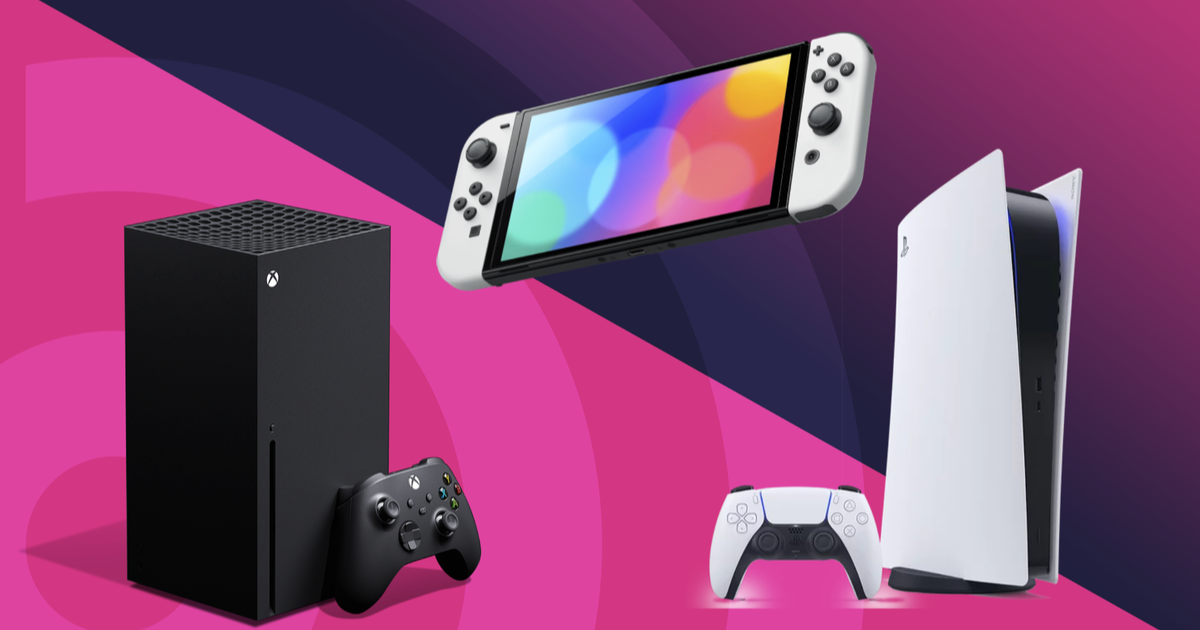
While current consoles like the PS5 and Xbox Series X/S remain popular, the next full generation is already on the horizon. According to industry trend analyses, a new generation is expected around 2027–2028, following typical console cycles of roughly six to eight years. These upcoming consoles—often referred to in leaks and predictions as the PlayStation 6 and next-gen Xbox—are expected to deliver major performance leaps with next-level graphics, AI integration, and cloud support.
Future hardware will likely push photorealistic rendering, real-time ray tracing, and support for resolutions like 8K at high frame rates, delivering visuals far beyond today’s standards. Expect AI-driven features to improve gameplay behaviors, dynamic content, and in-game worlds.
2. The Rise of Hybrid and Cloud Consoles
Another major trend is the shift toward cloud gaming and hybrid experiences. Instead of relying purely on powerful local hardware, future consoles are expected to combine local processing with cloud streaming, enabling high-end games to run on more devices with minimal latency. This means players could stream console-quality games to smartphones, tablets, TVs, and even weaker PCs without the need for expensive hardware.
Subscription services like Xbox Game Pass, PlayStation Plus, and Nintendo Online will remain central to this vision, giving players massive libraries and seamless cross-device play.
3. Handheld Gaming and Console Portability
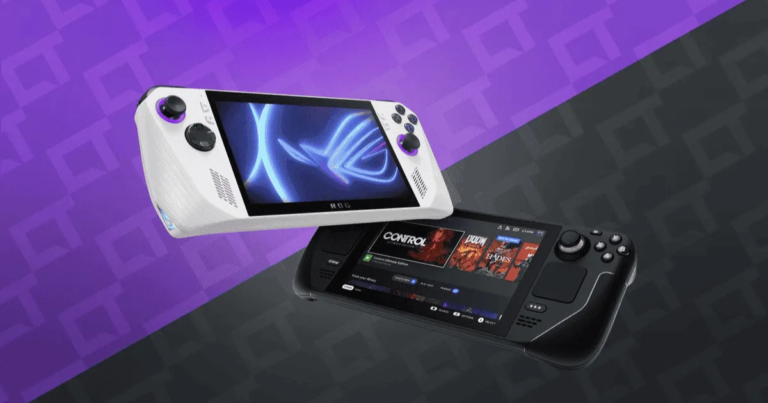
Portable gaming is also reshaping expectations. The success of devices like the Nintendo Switch 2, already selling millions of units worldwide, proves that hybrid and handheld consoles have enormous appeal. Additionally, new Windows-based handhelds like the ROG Xbox Ally demonstrate that even major players see potential outside the traditional console box.
This trend suggests future consoles may blur the lines even more, offering true hybrid hardware that transitions seamlessly between handheld and docked home gaming.
4. Enhanced Immersion: VR and AR Integration
Virtual Reality (VR) and Augmented Reality (AR) are expected to play a bigger role in future consoles. While today’s VR is often treated as an add-on, tomorrow’s systems may integrate native VR support, pushing immersive experiences without needing extra hardware.
Advanced peripherals, haptic feedback suits, and mixed-reality devices could create interactions deeper than ever before, making players feel physically present in virtual worlds.
5. Smarter AI and Dynamic Gameplay
One of the most exciting predictions is the rise of AI-enhanced gameplay. Future consoles may use dedicated AI chips to:
- Create smarter, more adaptive NPCs
- Personalize experiences based on playstyle
- Adjust difficulty and narrative paths in real time
AI could help reduce repetitive gameplay and make every playthrough unique.
6. Seamless Cross-Platform and Social Gaming
Cross-platform play is already common, but future consoles are likely to expand on this by enabling shared progression across devices, cross-saves, and real-time interaction across PlayStation, Xbox, PC, and mobile platforms.
Social features will also evolve, with easier sharing, co-playing, integrated voice and video, and community hubs becoming standard parts of the console experience.
7. Future Hardware Trends
Some other key predictions include:
- Faster storage tech (NVMe SSDs) for nearly instant load times
- Wi-Fi 6E and Wi-Fi 7 support for better connectivity and streaming performance
- Advanced display features like 120 Hz at 4K and dynamic refresh rates
- Eco-friendly hardware designs focusing on lower power use and sustainability
Conclusion
The future of gaming consoles promises a blend of more power, greater flexibility, and deeper immersion. Whether it’s next-gen systems like PlayStation 6 and the next Xbox, hybrid handheld-home devices, cloud gaming innovations, or AI-driven worlds, the landscape is evolving fast. As hardware becomes more connected and versatile, players can expect gaming to be more accessible, social, and immersive than ever before.