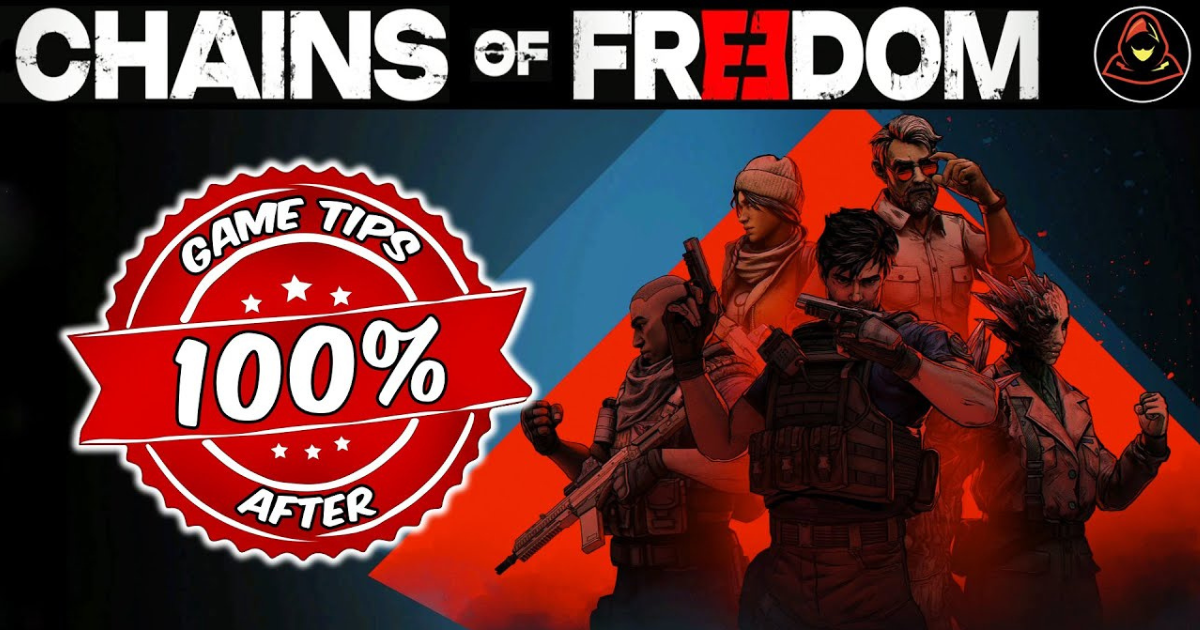
The strategy genre has always been a playground for critical thinkers—gamers who enjoy planning, resource management, and tactical execution. But every so often, a game comes along that asks players to go beyond the usual mechanics of victory and defeat. Chains of Freedom is shaping up to be exactly that kind of experience. Instead of simply focusing on winning battles or expanding empires, this strategy title places heavy emphasis on moral dilemmas, ethical choices, and the consequences of leadership.
In a world where power, freedom, and survival are constantly at odds, Chains of Freedom challenges players to not only outthink their opponents but also wrestle with the question: What kind of leader do you want to be?
A Strategy Game With Depth
Most strategy games revolve around numbers, positioning, and efficient decision-making. While Chains of Freedom certainly includes these elements, it introduces a deeper layer of moral decision-making. Each choice players make is tied to the fate of individuals, communities, and even entire nations.
For example, you might be faced with a decision to free enslaved groups at the cost of destabilizing your economy, or enforce strict control that ensures short-term stability but comes with devastating ethical consequences. These aren’t just cosmetic choices—they shape the narrative and gameplay in significant ways.
This is what sets Chains of Freedom apart: it doesn’t just measure your skill as a tactician, but also tests your values as a leader.
The Weight of Leadership
In many strategy games, players can act as ruthless conquerors without much consequence beyond military retaliation. In Chains of Freedom, however, morality is interwoven with gameplay. How you rule, negotiate, and fight determines not only how your people see you but also how history remembers your leadership. Some examples of moral choices players may face include:
- Liberation vs. Control – Do you prioritize freedom for your people, even if it risks chaos, or do you maintain strict order through force?
- Resource Allocation – Will you direct scarce resources toward improving civilian life, or funnel them into your armies to ensure survival against threats?
- Alliances and Betrayals – Can you afford to keep promises to allies, or will you sacrifice honor for strategic gain?
The genius of Chains of Freedom is that there is rarely a “right” answer. Each path carries both benefits and repercussions, making every playthrough a unique moral journey.
Tactical and Strategic Gameplay
While the game is rich with moral storytelling, it doesn’t skimp on traditional strategy mechanics. Players must still engage in tactical battles, resource management, and long-term planning. Armies need to be trained, cities maintained, and enemies defeated.
The tactical layer is grid-based and emphasizes positioning, unit variety, and battlefield adaptation. Like XCOM or Fire Emblem, every move matters. On the strategic level, managing an empire requires balancing economy, diplomacy, and internal stability. And all of it is influenced by the moral choices you make along the way.
A Game That Sparks Reflection
What makes Chains of Freedom so intriguing is its ability to spark reflection outside of gameplay. Many players will likely finish a session asking themselves: Did I make the right choice? Could I have handled that situation differently?
By blending strategy with moral philosophy, the game creates an experience that is not only entertaining but also thought-provoking. It’s not just about winning—it’s about living with the legacy you create.
Why Chains of Freedom Matters
With so many games focusing on fast-paced action or endless resource grinding, Chains of Freedom offers something different. It asks players to slow down, think deeply, and understand the impact of their decisions. It has the potential to resonate not just as a great strategy title, but as a narrative experience that challenges players on a personal level.
For fans of strategy games who crave more than just tactical puzzles, Chains of Freedom could be the perfect blend of gameplay and storytelling. It’s a reminder that in both games and real life, leadership isn’t just about power—it’s about responsibility.
Final Thoughts
Chains of Freedom is more than a strategy game; it’s a moral experiment disguised as one. It blends traditional mechanics with ethical dilemmas, forcing players to make tough choices that ripple throughout their campaign. Whether you lead with compassion, ruthlessness, or pragmatism, your decisions shape the world around you—and that weight makes every turn unforgettable.