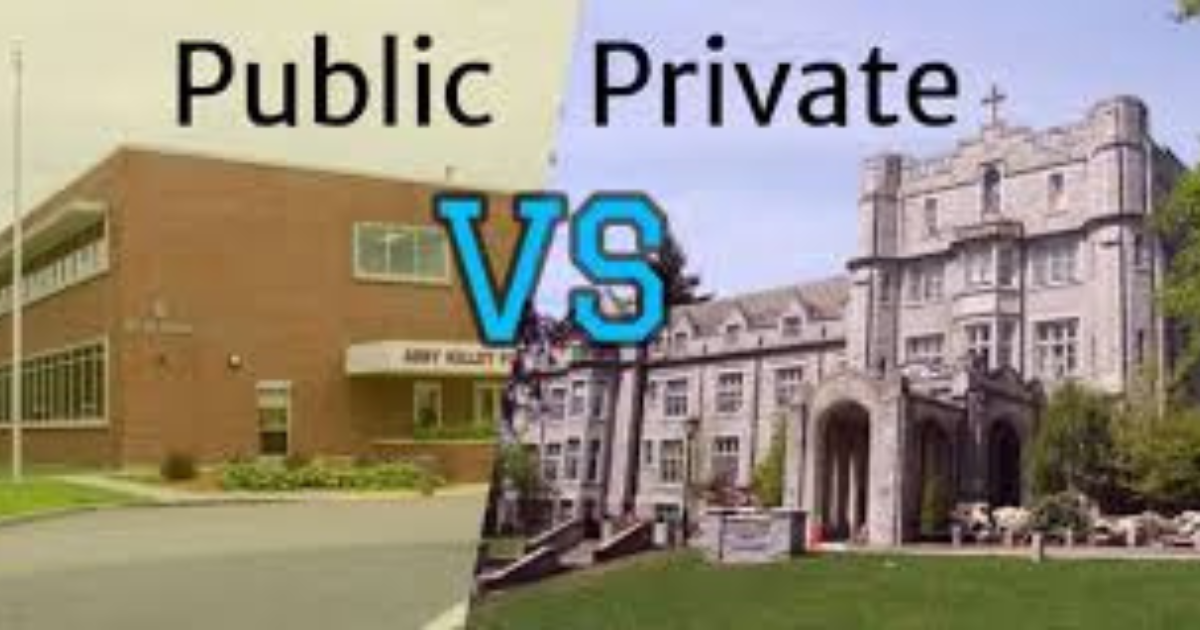
The UK education system offers families a choice between state schools (publicly funded) and private schools (also known as independent schools, which charge tuition fees). Both systems have their strengths, but the differences between them can influence a child’s academic experience, extracurricular opportunities, and future prospects. This blog explores the key differences between state and private schools in the UK, helping parents and students make informed decisions.
1. Funding and Costs
- State Schools: Funded by the UK government through local authorities, state schools are free to attend for all students. Parents do not pay tuition fees, though there may be minor costs for uniforms, school trips, or extracurricular activities.
- Private Schools: These schools charge tuition fees, which can range from £15,000 to £45,000 per year, depending on whether the child boards or is a day student. The cost is often justified by smaller class sizes, better facilities, and extensive extracurricular options.
2. Class Sizes and Teacher-to-Student Ratios
- State Schools: Class sizes are often larger, averaging around 25–30 pupils per class. This can sometimes limit the level of individual attention a student receives.
- Private Schools: Typically have much smaller classes, often 10–15 pupils, allowing teachers to provide more tailored support and identify areas where students need improvement.
3. Curriculum and Academic Performance
- State Schools: Follow the National Curriculum, which is standardized across England, Wales, Scotland, and Northern Ireland (with some variations). Performance varies widely depending on the school’s resources and Ofsted ratings.
- Private Schools: Enjoy greater flexibility in their curriculum. While most prepare students for GCSEs and A-Levels, some also offer the International Baccalaureate (IB). Private schools often perform better in national league tables, with higher percentages of students achieving top grades.
4. University Destinations
- State Schools: Many state schools send students to good universities, but fewer secure places at elite institutions like Oxford and Cambridge compared to private school students.
- Private Schools: Have a strong track record of placing students in top UK and global universities. They often provide specialist university preparation, including Oxbridge interview coaching and international admissions support.
5. Facilities and Extracurricular Activities
- State Schools: Facilities vary greatly depending on funding and location. Some schools have excellent sports grounds and arts programs, while others have more limited resources.
- Private Schools: Generally offer state-of-the-art facilities, such as science laboratories, theatres, music halls, swimming pools, and sports pitches. Extracurricular opportunities—from debating clubs to sailing—are often a major attraction.
6. Accessibility and Inclusivity
- State Schools: Accessible to all children within a catchment area, regardless of family income. They often reflect the diversity of local communities.
- Private Schools: Accessible primarily to families who can afford the fees, although many offer scholarships and bursaries to talented or financially disadvantaged students. The student body may be less socioeconomically diverse.
7. Teacher Qualifications and Resources
- State Schools: Teachers must be fully qualified and adhere to government teaching standards. However, high workloads and large classes can impact individual support.
- Private Schools: Teachers may not always be required to hold Qualified Teacher Status (QTS), but many are highly experienced specialists. With better resources and smaller classes, they often have more time to focus on each student.
8. Inspection and Accountability
- State Schools: Inspected regularly by Ofsted (Office for Standards in Education). Ratings (Outstanding, Good, Requires Improvement, Inadequate) are publicly available and widely used by parents when choosing schools.
- Private Schools: Inspected by the Independent Schools Inspectorate (ISI), with reports focusing on academic quality, pastoral care, and student wellbeing.
Final Thoughts
Both state and private schools in the UK provide valuable education, but the experiences they offer can differ significantly.
- State schools are free, inclusive, and community-oriented, making them the backbone of the UK education system.
- Private schools, while costly, often provide smaller classes, stronger academic outcomes, and world-class facilities, giving students advantages in higher education and beyond.
Ultimately, the choice depends on a family’s priorities—whether affordability and accessibility are most important, or whether they value the additional opportunities and resources private education can provide.