Biometric Payments: The Future of Secure and Convenient Transactions
Biometric payments are rapidly transforming the way people pay for goods and services. By using unique physical or behavioral characteristics—such as fingerprints, facial recognition, iris scans, or voice patterns—biometric payment systems eliminate the need for passwords, PINs, or even physical cards. As digital payments continue to grow worldwide, biometrics are emerging as a key solution for improving both security and convenience.
What Are Biometric Payments?
Biometric payments authenticate a user’s identity through biological traits that are extremely difficult to replicate or steal. Instead of entering a password or swiping a card, users simply scan their fingerprint, look into a camera, or use voice recognition to authorize a transaction.
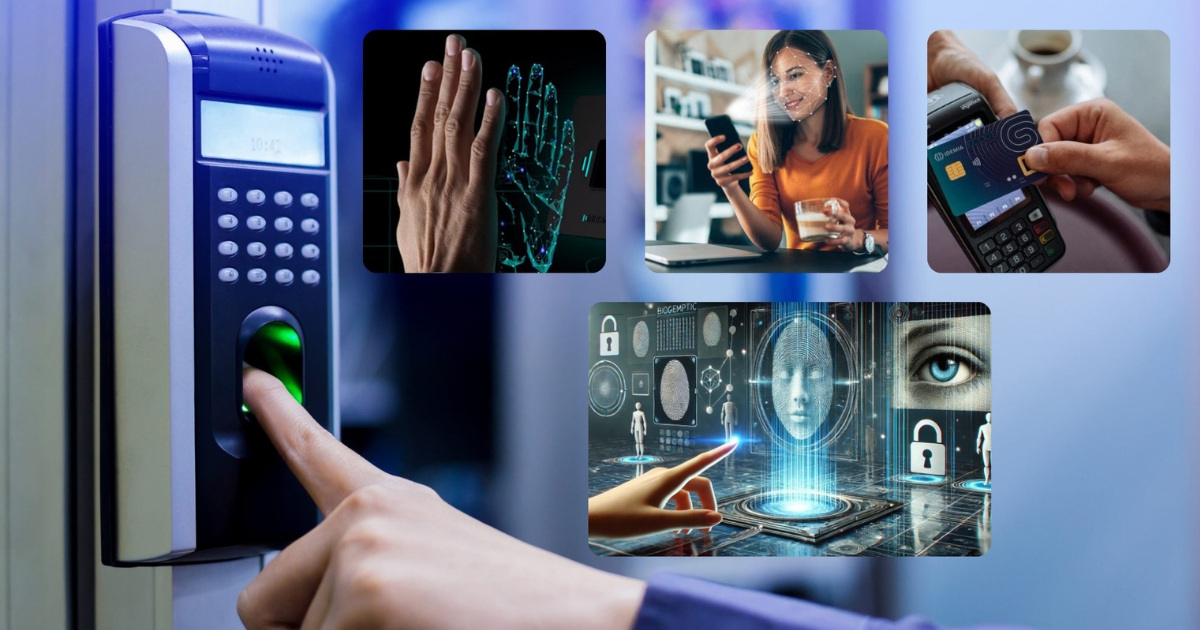
These systems are commonly integrated into smartphones, payment terminals, and wearable devices. Popular examples include fingerprint and facial recognition used in mobile wallets, as well as palm or vein-scanning systems being tested in retail environments.
Why Biometric Payments Are Gaining Popularity
One of the biggest advantages of biometric payments is convenience. Consumers no longer need to remember complex passwords or carry multiple cards. Authentication happens almost instantly, reducing checkout times and improving the overall user experience.
Security is another major driver. Traditional payment methods are vulnerable to theft, skimming, and data breaches. Biometric data is unique to each individual, making it significantly harder for fraudsters to impersonate users. Even if payment data is compromised, biometric traits cannot be easily duplicated or guessed.
Common Types of Biometric Payment Technologies
Fingerprint recognition remains the most widely used biometric method, thanks to its reliability and widespread availability in smartphones. Facial recognition has also gained traction, especially with advances in camera technology and artificial intelligence.
More advanced systems include iris scanning, voice recognition, and vein pattern recognition. Some retailers and transportation systems are experimenting with palm and finger vein authentication, which offers high accuracy and works even if fingerprints are worn or damaged.
Use Cases Across Industries
Biometric payments are being adopted across a wide range of industries. In retail, they enable fast, contactless checkout experiences. In banking, biometrics enhance mobile app security and reduce fraud. Public transportation systems are also exploring biometric authentication to speed up ticketing and reduce congestion.
In addition, biometric payments are playing a growing role in e-commerce, allowing users to approve online purchases with a simple scan rather than entering payment details.
Privacy and Security Concerns
Despite their benefits, biometric payments raise important privacy concerns. Biometric data is highly sensitive, and unlike passwords, it cannot be changed if compromised. This makes secure storage and encryption critical.
Regulations in many countries require companies to obtain user consent and clearly explain how biometric data is collected, stored, and used. Trust remains a key factor in widespread adoption, and companies must demonstrate strong data protection practices to gain consumer confidence.
Challenges to Adoption
Technical limitations, cost of implementation, and lack of standardization can slow adoption. Smaller businesses may find biometric systems expensive to install, while some consumers remain hesitant due to privacy fears or unfamiliarity with the technology.
There are also accessibility concerns. Biometric systems must be designed to accommodate individuals with disabilities or physical conditions that may affect recognition accuracy.
The Future of Biometric Payments
As technology advances, biometric payments are expected to become more accurate, affordable, and widely accepted. Improvements in artificial intelligence and sensor technology will reduce errors and enhance security. Over time, biometric authentication may become a standard feature across both physical and digital payment systems.
Conclusion
Biometric payments represent a significant step forward in the evolution of financial transactions. By combining security, speed, and convenience, they offer a compelling alternative to traditional payment methods. While challenges around privacy and adoption remain, the continued development of biometric technology suggests a future where paying is as simple as being yourself.