Soft Skills Development: Why It Matters and How to Improve It
In today’s fast-changing professional world, technical knowledge alone is no longer enough to succeed. Employers increasingly value soft skills—the personal attributes that shape how we communicate, work with others, and handle challenges. Soft skills development plays a vital role in career growth, leadership success, and long-term professional satisfaction. This article explains what soft skills are, why they matter, and how you can develop them effectively.
What Are Soft Skills?
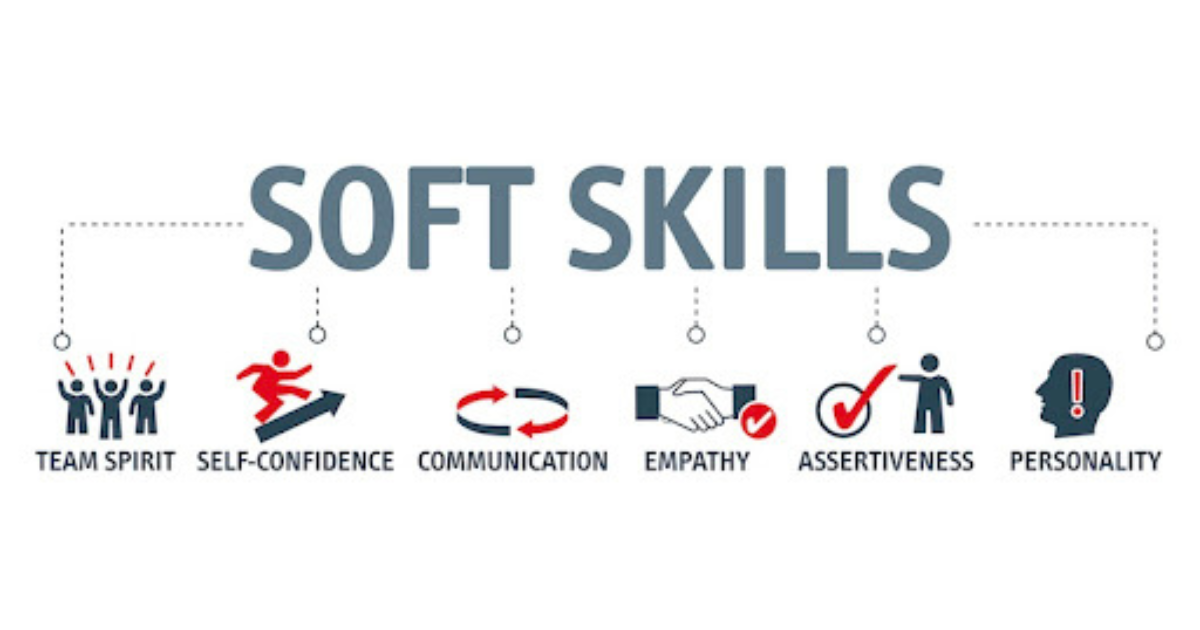
Soft skills are non-technical abilities that influence how individuals interact with others and manage their work. Unlike hard skills, which are job-specific and measurable, soft skills are transferable across industries and roles. Examples include communication, teamwork, problem-solving, adaptability, emotional intelligence, time management, and leadership.
These skills affect not only how well you perform your job but also how you collaborate, resolve conflicts, and build professional relationships.
Why Soft Skills Are Important
Soft skills are essential in almost every workplace. Strong communication improves teamwork and reduces misunderstandings. Emotional intelligence helps individuals manage stress, understand others, and respond appropriately in difficult situations. Adaptability allows professionals to thrive in changing environments, while critical thinking supports better decision-making.
Many employers report that employees with strong soft skills are more productive, easier to work with, and better suited for leadership roles. In fact, a lack of soft skills is often cited as a major reason why employees struggle or fail to advance in their careers.
Key Soft Skills to Develop
While many soft skills are valuable, some are especially important across industries:
- Communication Skills: The ability to clearly express ideas, listen actively, and provide constructive feedback.
- Teamwork: Working effectively with diverse groups, respecting different viewpoints, and contributing to shared goals.
- Problem-Solving: Identifying issues, analyzing solutions, and making informed decisions.
- Time Management: Prioritizing tasks, meeting deadlines, and maintaining productivity.
- Adaptability: Being open to change and willing to learn new skills.
- Emotional Intelligence: Understanding your own emotions and empathizing with others.
How to Develop Soft Skills
Soft skills can be learned and improved with consistent effort and self-awareness. Here are some practical ways to develop them:
- Practice Active Listening
Focus fully on what others are saying instead of preparing your response. Ask questions and show genuine interest in their perspective. - Seek Feedback
Constructive feedback from colleagues, mentors, or managers helps identify areas for improvement and track progress. - Engage in Team Activities
Group projects, volunteer work, or professional collaborations help strengthen communication and teamwork skills. - Work on Self-Awareness
Reflect on your reactions, strengths, and weaknesses. Understanding your behavior is key to improving emotional intelligence. - Learn Through Experience
Take on new responsibilities, leadership roles, or challenging tasks that push you outside your comfort zone. - Use Online Resources and Training
Courses, workshops, and books focused on communication, leadership, and personal development can provide valuable guidance.
Soft Skills in the Workplace
In the workplace, soft skills help build trust, improve collaboration, and create a positive work culture. Leaders with strong soft skills inspire teams, manage conflicts effectively, and drive long-term success. Employees who communicate well and adapt quickly are often seen as valuable assets to any organization.
Final Thoughts
Soft skills development is a continuous process that benefits both personal and professional growth. While technical expertise may open doors, soft skills determine how far you go. By investing time and effort into developing these skills, individuals can enhance their performance, strengthen relationships, and achieve lasting career success.