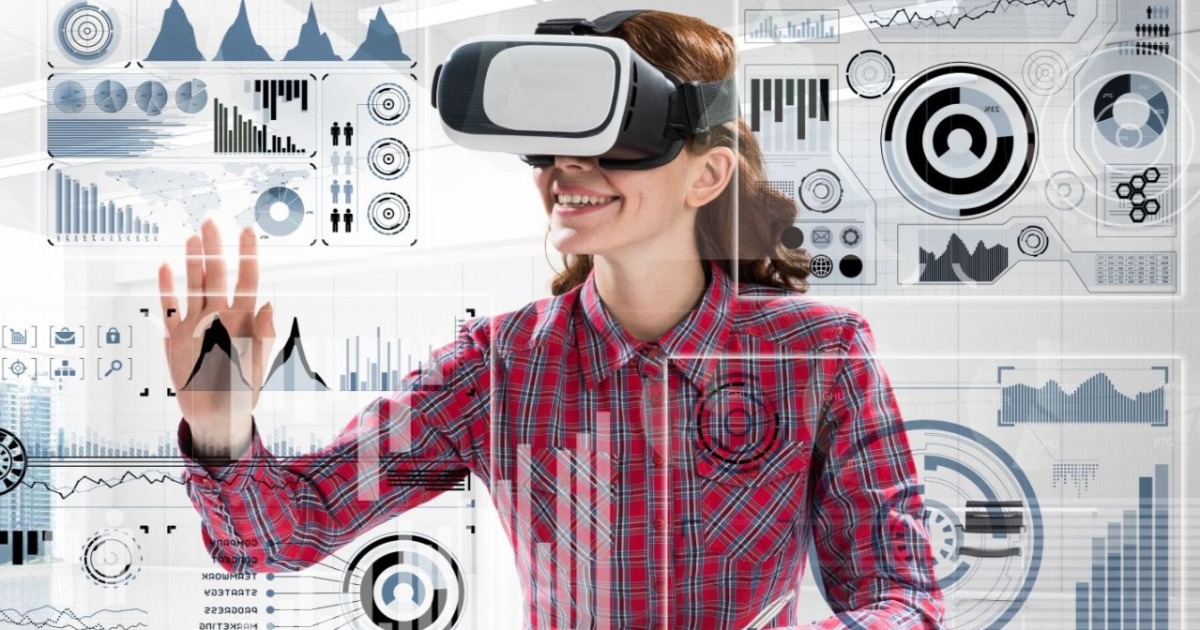
Augmented Reality Learning: Transforming Education Through Immersive Experiences
Augmented Reality (AR) learning is rapidly transforming the way knowledge is delivered, understood, and retained. By blending digital elements with the real world, AR creates interactive and immersive learning experiences that go beyond traditional textbooks and classrooms. As technology becomes more accessible, augmented reality is emerging as a powerful tool for modern education, benefiting students, educators, and lifelong learners alike.
What Is Augmented Reality Learning?
Augmented Reality learning refers to the use of AR technology to overlay digital content—such as images, 3D models, videos, or animations—onto the physical environment in real time. Unlike Virtual Reality (VR), which places users in a completely virtual world, AR enhances the real world while allowing learners to remain aware of their surroundings. AR learning can be accessed through smartphones, tablets, AR glasses, or web-based platforms, making it widely available.
How Augmented Reality Enhances Learning
One of the biggest advantages of AR learning is improved engagement. Traditional learning methods can sometimes feel passive, but AR encourages active participation. Students can interact with 3D objects, explore complex concepts visually, and learn by doing rather than just reading or listening.
AR also improves conceptual understanding. Abstract or complex subjects—such as human anatomy, physics, chemistry, or engineering—become easier to understand when learners can visualize them in three dimensions. For example, students can examine a 3D heart beating in real time or see how molecules bond during a chemical reaction.
Another key benefit is better knowledge retention. Studies suggest that interactive and immersive experiences help learners remember information more effectively. When students actively engage with content through AR, they are more likely to recall what they have learned.
Applications of Augmented Reality in Education
Augmented Reality learning is being applied across various educational fields. In schools and universities, AR is used to enhance subjects such as science, mathematics, geography, and history. Students can explore historical landmarks, visualize mathematical equations, or conduct virtual science experiments without physical limitations.
In professional training, AR is widely used for skill-based learning. Medical students can practice surgical procedures, engineers can visualize machinery components, and employees can receive on-the-job training through AR-guided instructions. This reduces risks, saves costs, and improves efficiency.
AR also plays a significant role in online learning and e-learning platforms. Educational apps and AR-powered courses provide interactive lessons that learners can access anytime, anywhere. This flexibility makes AR learning especially valuable for remote education and self-paced learning.
Benefits for Educators and Content Creators
For educators and bloggers, augmented reality learning offers new ways to present content creatively. AR-powered blog content can increase reader engagement, time spent on pages, and overall user experience. By embedding AR elements such as 3D models or interactive visuals, educational blogs can stand out and provide added value to readers.
AR also supports personalized learning. Learners can explore content at their own pace, revisit difficult concepts, and interact with material in a way that suits their learning style. This adaptability makes AR inclusive and learner-centered.
Challenges and Future of AR Learning
Despite its benefits, AR learning does face challenges. These include development costs, technical limitations, and the need for compatible devices. However, as technology continues to evolve, these barriers are gradually decreasing.
The future of augmented reality learning looks promising. With advancements in artificial intelligence, 5G connectivity, and wearable technology, AR experiences will become more realistic, affordable, and widely adopted. As education continues to evolve, AR is expected to play a major role in shaping the future of learning.
Conclusion
Augmented Reality learning is revolutionizing education by making learning more interactive, engaging, and effective. By merging digital content with the real world, AR empowers learners to understand complex concepts, retain information better, and enjoy the learning process. As AR technology becomes more accessible, it will continue to redefine how knowledge is shared and experienced in the digital age.